The laboratory is one example of how British scientists have industrialized the process of genomic sequencing during the pandemic, cutting the time and cost needed to generate a unique genetic fingerprint for each coronavirus case analyzed. That made the U.K. a world leader in COVID-19 sequencing, helping public health authorities track the spread of new variants, develop vaccines and decide when to impose lockdowns. But now researchers at the Sanger Institute in Cambridge and labs around the U.K. have a new mission: sharing what they’ve learned with other scientists because COVID-19 has no regard for national borders. The omicron variant now fueling a new wave of infection around the world shows the need for global cooperation, said Ewan Harrison, a senior research fellow at Sanger. Omicron was first identified by scientists in southern Africa who quickly published their findings, giving public health authorities around the world time to prepare.

-
Certified Company
ISO 45001:2018 -
al-jaleel’s
humanitarian association
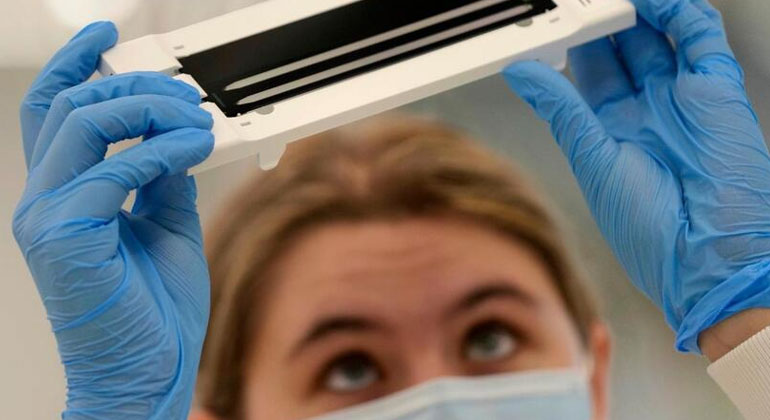
UK Virus Hunting Labs Seek to Bolster Global Variant Network
Popular Post

Any Queries: [email protected]
Copyrights 2021 All Rights Reserved. Powered by Focusmedia.